
मैंने अभी कुछ दिन पहले, rishabh bidhoori का एक विडियो देखा, उसमें cryptocurrency का इतिहास बताया तो मैंने सोचा कि चूँकि आज के बच्चो के पॉकेट में, अब कैश बहुत ही कम होते हैं, UPI से सब पेमेंट कर रहे है, Digital Rupees भी बहुत ट्रेंड कर रहा है, तो क्यूँ इस पर अच्छे से रिसर्च करके एक आर्तिक्ले लिखा जाएँ |
तो आपने भी अगर हाल ही में “Digital Rupee” के बारे में सुना है, सोचा है कि यह क्या है? क्या यह Bitcoin जैसा cryptocurrency है? या कुछ और? और सबसे important – आपको इसके बारे में क्यों जानना चाहिए?
आज मैं आपको Digital Rupee के बारे में वो हर चीज बताने वाला हूं जो आपको पता होनी चाहिए – simple language में, बिना किसी technical jargon के।
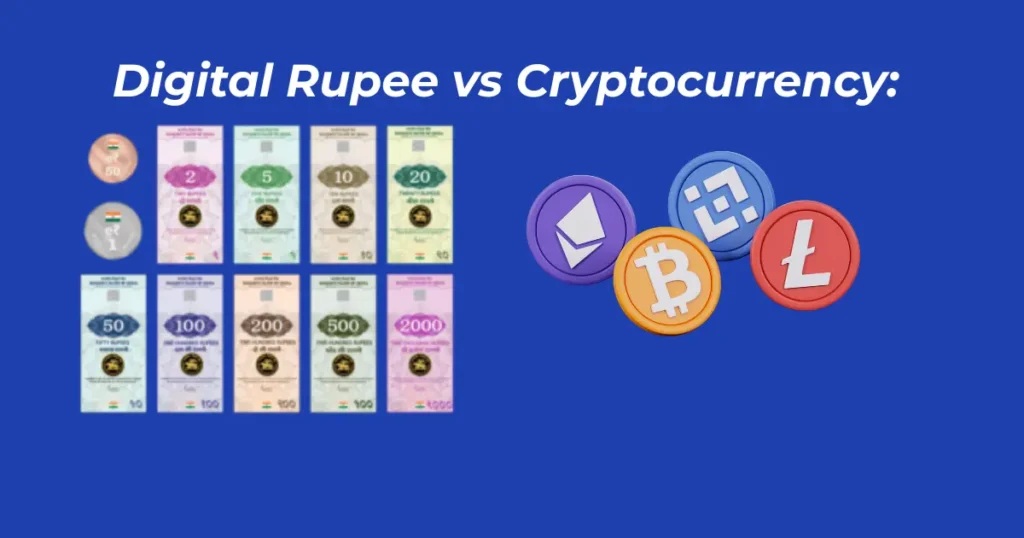
Table of Contents
Digital Rupee क्या है?
सबसे पहले तो यह समझ लीजिए कि Digital Rupee (e₹) भारत की official digital currency है जिसे Reserve Bank of India (RBI) ने launch किया है। इसे Central Bank Digital Currency (CBDC) भी कहा जाता है।
अब आप सोच रहे होंगे – “अरे, मैं तो already Paytm, PhonePe, Google Pay use करता हूं, वो भी तो digital payment है ना?” हाँ, लेकिन वो अलग है। उन apps में जो पैसा है, वो actually आपके bank account में पड़ा है। Digital Rupee एक अलग चीज है – यह खुद पैसा है, digital form में।
सोचिए इसे ऐसे – जैसे आपकी जेब में ₹100 का नोट है। Digital Rupee बस उसी नोट का digital version है, जो आपके mobile wallet में होगा। इसे RBI issue करेगा, regulate करेगा, और यह legal tender होगा – बिल्कुल physical notes की तरह।
Digital Rupee को blockchain technology पर बनाया गया है। Blockchain एक ऐसी technology है जो सभी transactions को एक secure digital ledger में record करती है जिसे modify करना लगभग impossible है। यह transparency और security दोनों ensure करता है।
Digital Rupee का इतिहास क्या है ?
चलिए थोड़ा पीछे जाते हैं। 2017 में एक inter-ministerial committee बनी थी जो virtual currencies पर research कर रही थी। फिर धीरे-धीरे RBI ने इस concept को develop किया।
1 दिसंबर 2022 को RBI ने officially Digital Rupee का retail pilot launch किया। पहले wholesale version (e₹-W) launch हुआ था 1 नवंबर 2022 को, जो banks और financial institutions के बीच transactions के लिए था।
Digital Rupee के दो Types कौन-से हैं?
RBI ने Digital Rupee के दो versions launch किए हैं:
1. Digital Rupee – Retail (e₹-R)
यह आम लोगों के लिए है – आप और मैं जैसे। इसका use हम daily transactions में कर सकते हैं:
- दुकान पर सामान खरीदना
- दोस्तों को पैसे भेजना (P2P transactions)
- Bills pay करना
- Online shopping करना
कैसे काम करता है? आपको एक Digital Rupee wallet मिलेगा जो आपके smartphone में होगा। यह wallet participating banks देंगी। आप अपने bank account से पैसे इस wallet में transfer कर सकते हैं, और फिर उसे spend कर सकते हैं जैसे cash।
2. Digital Rupee – Wholesale (e₹-W)
यह banks और financial institutions के लिए है। इसका use होता है:
- Interbank settlements में
- Government securities में trading
- Large-value transactions में
यह general public के लिए नहीं है, तो हमें इसकी ज्यादा चिंता करने की जरूरत नहीं।
Digital Rupee की Special Features क्या हैं?
अब बात करते हैं कि Digital Rupee में ऐसा क्या है जो इसे unique बनाता है:
1. Offline Functionality (Game Changer!)
यह सबसे interesting feature है। 8 फरवरी 2024 को RBI ने announce किया कि Digital Rupee बिना internet के भी काम करेगा!
सोचिए, आप किसी पहाड़ी इलाके में हैं जहां network नहीं है, या किसी ऐसी जगह हैं जहां internet spotty है। Tab भी आप Digital Rupee से transactions कर पाओगे। यह feature खासकर rural areas और remote locations के लिए बहुत useful है।
2. Programmable Money (Future है यार!)
30 अगस्त 2024 को RBI ने programmability feature expand किया। इसका मतलब क्या है?
Programmable money का मतलब है कि आप पैसे में कुछ conditions set कर सकते हैं:
- Validity period – यह पैसा सिर्फ 30 दिन के लिए valid है
- Usage restriction – यह पैसा सिर्फ fuel, groceries, education, healthcare में use हो सकता है
- Geographic restriction – यह पैसा सिर्फ particular region में use हो सकता है
Real-world example: मान लो government किसी scheme के तहत subsidy दे रही है। वो directly farmer के Digital Rupee wallet में पैसे भेज सकती है, और program कर सकती है कि यह पैसा सिर्फ fertilizers या seeds खरीदने में ही use हो सकता है। इससे misuse की chances बहुत कम हो जाती हैं।
Similarly, companies अपने employees को business travel allowance दे सकती हैं जो सिर्फ hotels, flights, food पर ही खर्च हो सके।
3. UPI Integration
बहुत बड़ा update यह है कि अब Digital Rupee UPI के साथ integrate हो गया है। इसका मतलब:
- आपको separate QR code की जरूरत नहीं
- Existing UPI QR code को scan करके Digital Rupee से payment कर सकते हैं
- Merchants को अलग से setup नहीं करना पड़ेगा
HDFC Bank, Yes Bank, Axis Bank, Canara Bank जैसे banks ने already यह integration complete कर लिया है।
Digital Rupee vs Cryptocurrency: क्या है फर्क?
अब सबसे बड़ा confusion clear करते हैं – Digital Rupee और Cryptocurrency में क्या फर्क है?
बहुत से लोग सोचते हैं कि दोनों same हैं क्योंकि दोनों “digital” हैं और दोनों blockchain use करते हैं। लेकिन reality में ये दोनों बिल्कुल अलग हैं।
Main Differences (Table में समझिए)
| Feature | Digital Rupee (e₹) | Cryptocurrency (Bitcoin, Ethereum) |
| किसने Issue किया | RBI (Central Bank) | कोई नहीं – decentralized |
| Regulation | पूरी तरह RBI द्वारा regulated | कोई central regulation नहीं |
| Value | हमेशा ₹1 = ₹1 (stable) | Market के हिसाब से बदलता रहता है (volatile) |
| Legal Status | Legal tender – सबको accept करना होगा | India में legal tender नहीं |
| Purpose | Daily transactions, payments | Investment, speculation, trading |
| Backing | RBI और Government की guarantee | कोई backing नहीं |
| Tax | कोई tax नहीं (यह currency है) | 30% tax on profits |
| Control | Centralized – RBI के पास | Decentralized – किसी के पास नहीं |
| Privacy | Partial anonymity – large transactions traceable | Pseudonymous – public but anonymous |
Digital Rupee से क्या फायदा?
1. Cost Savings (सरकार और हम सबके लिए)
Physical currency को print करना, distribute करना, store करना – यह सब बहुत महंगा है। RBI को ₹49,848 करोड़ खर्च करने पड़ते हैं हर साल इस सब में!
हर ₹100 के note का lifecycle cost (printing से लेकर destroy होने तक) करीब 15-17% होता है। Digital Rupee से यह सब खर्च बच जाएगा। और भी इससे कई फायदे हैं|
How to Use Digital Rupee: आप कैसे शुरू करें?
अगर आप Digital Rupee try करना चाहते हैं, तो यह process है:
Step 1: Check Availability
सबसे पहले देखें कि आपका bank Digital Rupee pilot में participate कर रहा है या नहीं। Currently ये banks शामिल हैं:
- State Bank of India
- HDFC Bank
- ICICI Bank
- Kotak Mahindra Bank
- Yes Bank
- IDFC First Bank
- HSBC
- Bank of Baroda
- Union Bank of India
- Axis Bank
- Canara Bank
Step 2: Download Wallet App
आपकी bank का Digital Rupee wallet app download करें।
Step 3: KYC और Registration
अपनी bank details से register करें। KYC process complete होगी (कुछ cases में non-KYC भी possible है limited amounts के लिए)।
Step 4: Load Money
अपने regular bank account से Digital Rupee wallet में पैसे transfer करें।
Step 5: Start Using
अब आप transactions कर सकते हैं – जहां Digital Rupee accepted है वहां payments करें।
Note: Currently यह pilot phase में है, तो सभी को immediately available नहीं है। Gradual rollout हो रहा है।
तो अंत में , यह है Digital Rupee की complete story – क्या है, कैसे काम करता है, क्या benefits हैं, क्या challenges हैं, और future क्या है।
Digital Rupee सिर्फ एक technology upgrade नहीं है – यह India की financial system में एक fundamental shift का हिस्सा है। हालांकि अभी adoption slow है, लेकिन long-term potential बहुत बड़ा है।
आखिर में, एक बात याद रखें – technology तो बदलती रहती है, लेकिन financial literacy और responsible usage हमेशा important रहेगी। चाहे हो, UPI हो, या Digital Rupee – smart financial decisions लेना हमारी responsibility है। अभी भले यह कॉमन नहीं है लेकिन बहुत जल्द यह कॉमन हो जाएगा, सबको इसके बारे में जानना चाहिए |